







Search Results for: Indonesian Arabica
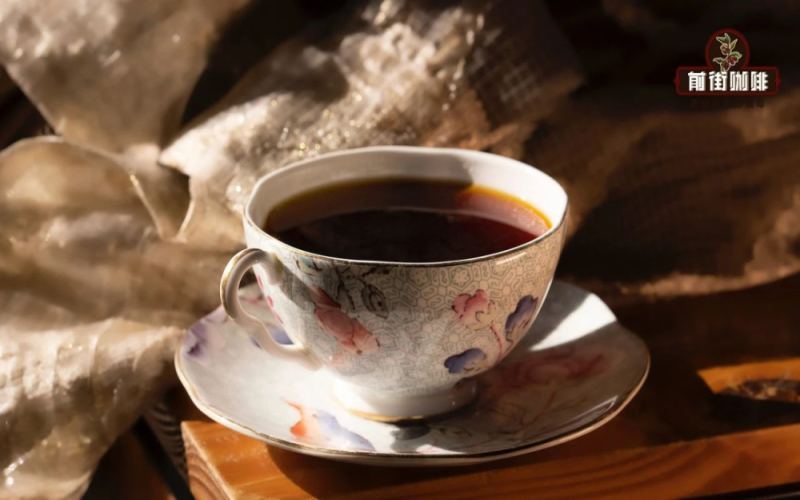
Exploring Indonesian Mandheling: An Arabica Flavor Journey from Sumatra to Baihua Island
Indonesian coffee is known for its rich, restrained flavor and relatively low acidity, and Mandheling in particular is a single-origin coffee much loved in China. This article starts from the geography of Sumatra, explains the origin of the name Mandheling, and takes an in-depth look at the unique Coba da Flores growing region on Flores Island. You will learn about Indonesia's distinctive wet-hulling processing method, as well as detailed product information and flavor characteristics of Front Street Indonesian Flores Island Washed Mandheling 18 Screen coffee. Whether you are a pour-over enthusiast or an espresso lover, this article will give you a comprehensive understanding of the appeal of Indonesian Arabica coffee. [more…]

Is Indonesian Mandheling an Arabica? An Analysis of the Differences Between Mandheling Coffee Beans and Arabica and Their Flavor Characteristics
Mandheling coffee is known for its full-bodied mouthfeel and herbal, dark chocolate flavors, but many people new to specialty coffee mistake it for Robusta because of its intense taste. In fact, Mandheling is an Arabica coffee from northern Sumatra, and its name comes from the local Mandailing people. Front Street Coffee currently offers several products, including Lintong, Aged, Golden, Wahana natural, and Tiger Mandheling, most of which are Typica variety, while Golden Mandheling has switched to the local Indonesian Catimor variety known as ateng. This article will sort out Mandheling's bean variety classification, its relationship with Arabica, regional differences, its unique wet-hulling processing method, and include Front Street Coffee's brewing suggestions and Golden Mandheling flavor description to help readers fully understand this Indonesian coffee. [more…]
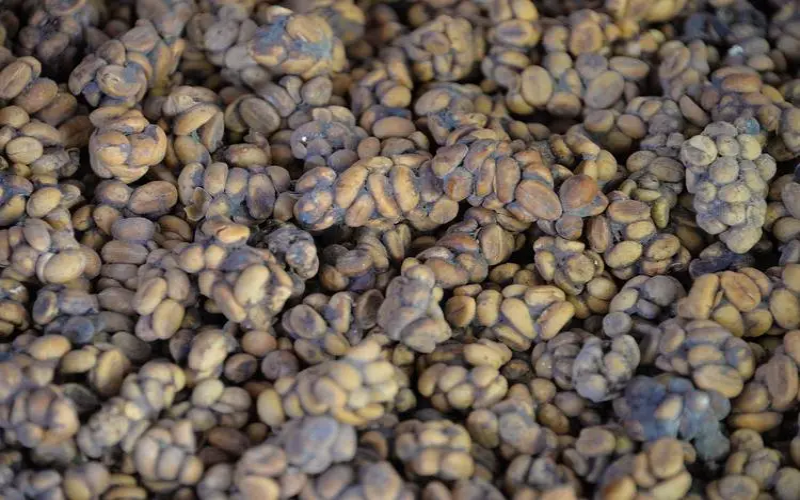
A Complete Guide to Indonesian Coffee Beans: Flavor Characteristics of Robusta and Arabica and the Legend of Mandheling
Indonesia is a major coffee-producing country globally, and both Kopi Luwak and Mandheling originate there. The history of Indonesian coffee can be traced back to the Dutch colonial period. Today, Robusta accounts for about 85% of the nation's production, while Arabica is distributed in high-altitude regions such as Sumatra and Sulawesi. Sumatra's Mandheling coffee is renowned for its rich and intense character, with Front Street Lintong Mandheling and Front Street Golden Mandheling being representative examples. This article will outline the cultivation history of Indonesian coffee, its main producing regions, the varietal characteristics of Mandheling, the wet-hulling process, and the grading system, and will introduce Front Street Coffee's brewing recommendations and flavor profile, guiding you through a comprehensive understanding of the unique charm of Indonesian coffee. [more…]
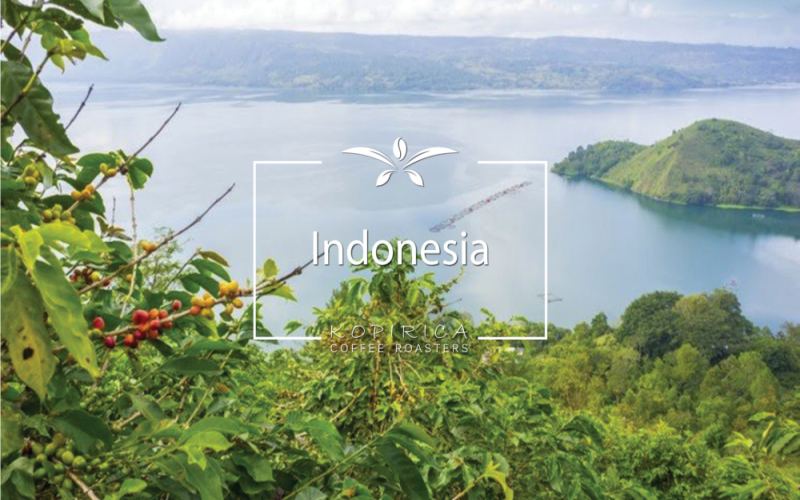
Does Indonesian Golden Mandheling belong to Arabica? A detailed explanation of the differences between Mandheling and Arabica coffee bean varieties
Indonesia is the world's fourth-largest coffee-producing country, and its coffee is known for its heavy, herbal flavors. However, Indonesian coffee varieties have been introduced and naturally crossbred many times, making them extremely difficult to identify. From the perspective of Front Street, this article first clarifies the basic concepts of the three major coffee species—Arabica, Robusta, and Liberica—then focuses on the origins and variety classification of Mandheling, and introduces one by one the producing regions, varieties, processing methods, and brewing key points of four classic beans: Front Street Lintong Mandheling, Front Street PWN Golden Mandheling, Front Street Tiger Mandheling, and Front Street Aged Mandheling, helping coffee lovers systematically understand the relationship between Mandheling and Arabica. [more…]
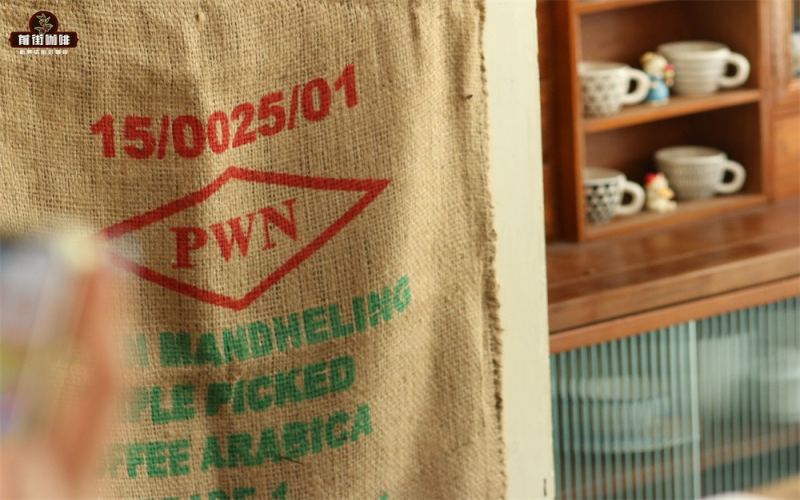
The Origin of the Name and Flavor Characteristics of Mandheling Coffee Beans, and How to Identify Indonesian Golden Mandheling?
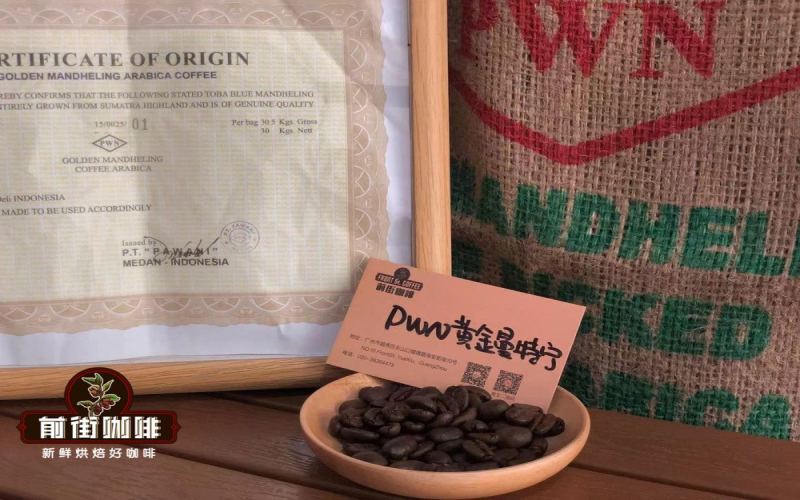
Mandheling coffee beans hold a unique place in the specialty coffee world. It is not a coffee variety, but a collective term for Arabica beans produced on the Indonesian island of Sumatra. Behind this name lies a linguistic misunderstanding from World War II, and its signature herbal, woody agarwood, and spice notes are inseparable from the local low-altitude environment and the unique wet-hulling process. The so-called Golden Mandheling commonly seen on the market is actually a registered trademark of the Indonesian green bean company PWN, and only beans produced by that company may bear this name. This article will walk you through the origin of the name Mandheling, the reasons behind its flavor, and its processing method, and teach you how to distinguish genuine Indonesian Golden Mandheling. [more…]
A Detailed Guide to Indonesian Arabica Coffee Bean Grading: G1 and G2 Standards and a Full Analysis of the Mandheling Region
Indonesia is a major coffee-producing country globally, and both Mandheling and Kopi Luwak originate from there. This article systematically reviews the grading system for Indonesian Arabica coffee beans, with a focus on interpreting the criteria for G1 and G2. It also revisits the history of coffee cultivation in Indonesia, the distribution of major producing regions, and the unique wet-hulling process used for Mandheling. The article further introduces the flavor profiles and brewing suggestions for two Indonesian beans from Front Street Coffee, providing coffee enthusiasts with a complete understanding from green bean grading to flavors in the cup. [more…]
Indonesian LazuNa Coffee: From a Favorite of European Royal Courts to a Rare Arabica on the Brink of Extinction
On the highlands of Sumatra, Indonesia, grows a coffee that once captivated the European royal courts—Lasuna. Over four hundred years ago, the Dutch introduced this Arabica variety to Indonesia, and from then on, under the name "Traveler's Coffee," it journeyed across the oceans to become an expensive beverage that swept Europe for two centuries. Yet times have changed, and today pure-blooded Lasuna survives only on about 500 hectares of farmland in the Takengon region, where the trees are all over half a century old, sustained by manual harvesting and traditional Dutch processing methods—the last vestige of its lineage. According to the Indonesian Coffee Association, this variety may vanish entirely within twenty years. Front Street Coffee takes you deep into this rare bean, which combines caramel sweetness, chocolate aroma, and a delicate oily mouthfeel, so you can experience its unique charm—rich, mellow, and with a long, lingering finish. [more…]

A Century of Indonesian Coffee: Development History and Analysis of Representative Varieties — From Mandheling to Golden Mandheling
Indonesia is a coffee-producing region that cannot be overlooked on the global coffee map, and Mandheling is the country's most recognizable coffee calling card. From the perspective of Front Street Coffee, this article traces the complete history of Indonesian coffee, from the introduction of Arabica during the Dutch colonial period, through the impact of coffee leaf rust, to Robusta filling the gap. It analyzes the geographical layout of Sumatra's high-altitude producing regions and low-altitude Robusta cultivation, and offers an in-depth interpretation of how Indonesia's unique wet-hulling process shapes Mandheling's signature low acidity, heavy body, and herbal flavors. At the same time, the article introduces Lintong Mandheling, Golden Mandheling, and Tiger Mandheling on Front Street Coffee's bean list, clarifies the certification points of PWN's Golden Mandheling, and includes Front Street Coffee's recommended brewing parameters and flavor descriptions, helping enthusiasts fully understand the unique charm of Indonesian coffee. [more…]
Flavor Analysis of Indonesian Coffee Regions: A Comparison of West Java and Sumatra Mandheling with Brewing Recommendations
Indonesian coffee has always held a place in the global specialty scene, with Sumatra Mandheling and West Java Arabica standing out as two highly representative expressions. From the Dutch introducing coffee cultivation in 1696, to leaf rust destroying the Arabica crop and prompting a switch to Robusta, to today's diverse landscape where wet-hulling and aged processing coexist, Indonesian coffee has traveled a winding and distinctive path. Front Street Coffee currently offers five Mandheling selections, each combining the shared characteristics of the region with its own individuality, while West Java's Mount Malabar reveals another side through notes of berries, cream, and oolong tea. This article will trace the development of Indonesian coffee, its growing environment, varieties, and processing methods, compare the flavor differences between Lintong Mandheling and West Java Mount Malabar, and include Front Street's brewing parameters and techniques to help enthusiasts understand the appeal of this origin more systematically. [more…]
Comparing Bali Kopi Luwak and Indonesian Mandheling Flavors: A Full Analysis from Planting History to Brewing Parameters
Indonesian coffee is best known for Mandheling, but in this myriad-island nation straddling the equator, there is also a distinctive flavor from Bali worth paying attention to. Front Street Coffee takes you through the cultivation origins of Balinese coffee, the unique processing method of civet coffee, and the overall flavor profile of Indonesian coffee. This article will also compare the strict bean selection process of Golden Mandheling, and include detailed brewing parameters and steps for kopi luwak, helping you gain a comprehensive understanding of the diverse face of Indonesian coffee, while also offering product recommendations from the Front Street brand for enthusiasts with different taste preferences. [more…]
A Complete Analysis of Sumatra Coffee's Flavor and History: Indonesian Coffee Varieties, Wet-Hulling Processing Method, and an Introduction to Front Street Golden Mandheling
Indonesia is a globally significant coffee-producing country, known for its rich, full-bodied flavor with very low acidity, and a sweetness reminiscent of caramel and dark chocolate that particularly captivates Japanese coffee lovers. From the Dutch introduction of coffee in 1696, to the switch to Robusta after leaf rust destroyed Arabica, and now to the three major regions of Sumatra, Java, and Sulawesi each with their own distinctive character, Indonesian coffee has gone through a tumultuous history. This article will guide you through the development history of Indonesian coffee, its growing environment, main varieties, the unique wet-hulling process, and the flavor characteristics and brewing parameters of Sumatra Mandheling, Kopi Luwak, and Java coffee. Front Street Coffee will also share recommendations and brewing suggestions for products such as PWN Golden Mandheling. [more…]
A Complete Guide to Indonesian Coffee: From Colonial Introduction to the Flavor Map of Mandheling, Kopi Luwak, and Java
Indonesia is an important coffee-producing country globally, known for its full-bodied, low-acidity flavor profile with herbal and dark chocolate notes. This article traces the complete history of Indonesian coffee, from the Dutch introduction of coffee in 1696, to leaf rust destroying Arabica, to the rise of Robusta. It introduces the three core producing regions of Sumatra, Java, and Sulawesi, analyzes how the wet-hulling process shapes their unique taste, and explains in detail the flavor characteristics and brewing parameters of Mandheling, Kopi Luwak, and Java coffee. The article retains recommended and practical information from FrontStreet Coffee on PWN Golden Mandheling, Kopi Luwak, and West Java coffee, making it suitable for coffee enthusiasts who want a systematic understanding of Indonesian beans. [more…]
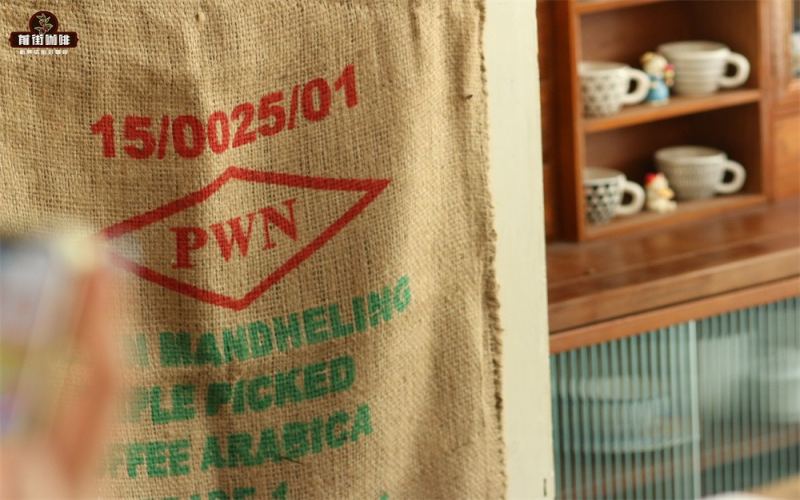
Characteristics of Mandheling Coffee Beans | Where Does the Name Mandheling Come From? How to Identify PWN Golden Mandheling? Introduction to the Origin, Varieties, Processing Methods, and Grades of Indonesian Mandheling Coffee
Let me quietly tell you all, Mandheling is not actually a coffee variety! Mandheling refers to the Arabica coffee beans grown on the Indonesian island of Sumatra, which are all collectively called Mandheling coffee. If Geisha coffee beans are the elegant lady of the coffee world, then Mandheling coffee beans are the gentleman, because they have a calm, rich coffee flavor. [more…]
Indonesian Civet Coffee Bean Origin Selection Guide: The Flavor Source and Tasting Methods of Authentic Kopi Luwak
Kopi Luwak, commonly known as cat poop coffee, has always been the most mysterious presence in the coffee world. Its unique "production process" and high price make countless coffee lovers curious yet rarely able to see it in person. This article will take you through the two major types of Kopi Luwak—the difference between wild and farmed civet coffee, why wild civets prefer Robusta while farmed ones are mostly fed Arabica, the respective characteristics of low-altitude and high-altitude producing regions on Indonesia's Sumatra Island, and where exactly the special flavor that the fermentation inside the civet's body imparts to the coffee beans comes from. If you are looking for an authentic Indonesian Kopi Luwak coffee bean, Front Street Coffee can also provide you with a reliable choice, and the following text will lay it all out for you in detail. [more…]
How Is Indonesian Mandheling Different from Arabica? A Comprehensive Guide to the Flavor Characteristics of PWN Golden Mandheling
Friends new to coffee are often baffled by the word "Arabica" that appears so frequently on packaging, while those who prefer Mandheling may not be able to explain clearly just what its relationship to Arabica is. To answer this question, we must start with the two main forces of the Coffea genus—Arabica and Robusta. This article will sort through the differences in bean varieties, growing environments, and flavor expression, and further trace the origin of the name Mandheling, the changes in producing regions, and the shifts in bean varieties, while also presenting Front Street Coffee's PWN Golden Mandheling authenticity identification methods and brewing parameters, to help coffee lovers understand this Indonesian classic clearly. [more…]
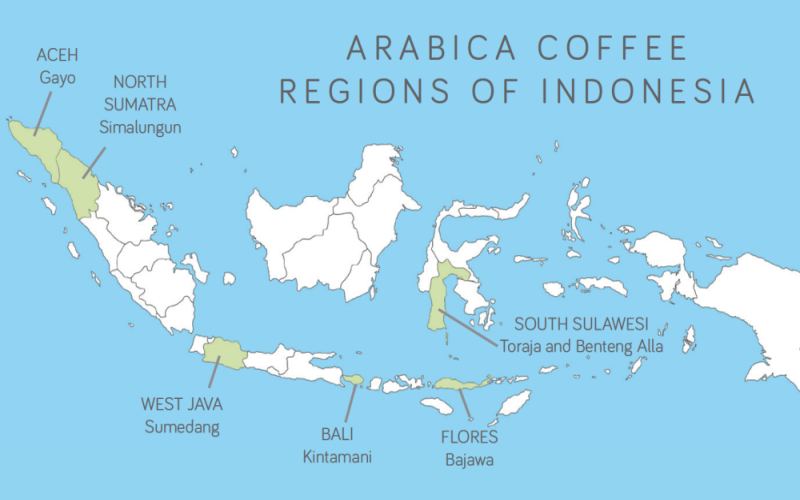
Decoding Indonesia's Three Major Coffee Regions: A Full Analysis from Mandheling to Kopi Luwak on Varieties, Processing Methods, and Flavors
Indonesia is a major coffee-producing country globally, renowned for its rich, full-bodied flavor with extremely low acidity, and its caramel and dark chocolate-like sweetness has captivated countless coffee enthusiasts. From the introduction of coffee by the Dutch in 1696, to the switch to Robusta after leaf rust devastated Arabica, and to today's three major producing regions of Sumatra, Java, and Sulawesi each leading in their own way, Indonesian coffee has gone through a tumultuous history. This article will guide you through the development of Indonesian coffee, its growing environment, main varieties, an in-depth analysis of the unique wet-hulling process, and a one-by-one introduction to the flavor characteristics and brewing parameters of representative coffees such as Mandheling, Kopi Luwak, and Java. Front Street Coffee will also share practical brewing suggestions for a variety of Indonesian beans. [more…]
Coffee Shop Pour-Over Single-Origin Bean Recommendations | What Is the Indonesian Wet-Hulling Process? Guide to Golden Mandheling Pour-Over Coffee: Coffee-to-Water Ratio, Water Temperature, and Extraction Time
Indonesian coffee beans are famous for their rich aroma and mellow taste, with a delightful sweet aftertaste, which has made many coffee lovers fall in love with the coffee beans from this region. Among them, Indonesian Mandheling is the most representative. Many people know that Mandheling has many different classifications, such as Front Street Coffee (Fr [more…]
Indonesian Mandheling Coffee Beans: A Complete Guide to Origin, Varieties, Flavor Characteristics, and the History of the Name
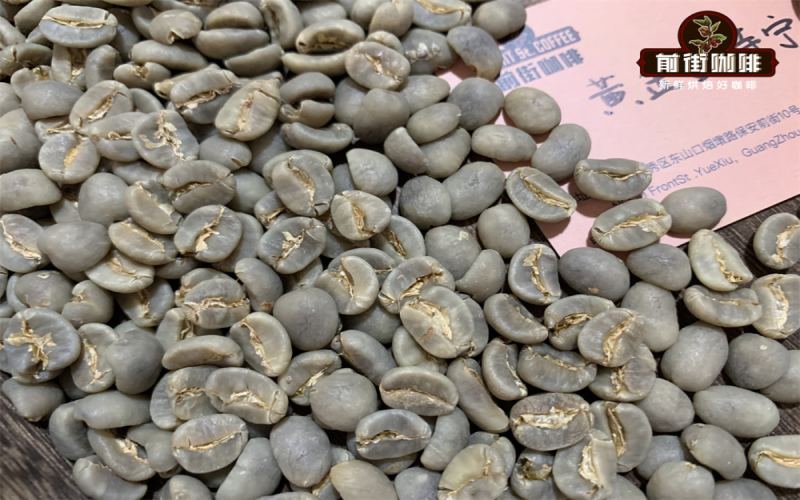
Mandheling coffee is a representative of the specialty Arabica produced on the Indonesian island of Sumatra, grown on plateaus at elevations of 750-1500 meters, with the best quality coming from the Lake Toba and Lintong highland areas. Its name is not a producing region or variety, but derives from a misnomer of the Mandailing people during World War II, later spread and made famous by Japanese soldiers. Mandheling has a rich, full-bodied taste with low acidity, herbal and spice notes, and is mostly processed using the wet-hulling method. Japanese companies later established strict screening standards, giving rise to Golden Mandheling. Front Street Coffee's bean list commonly features Lintong Mandheling and Golden Mandheling—the former an entry-level daily bean, the latter hand-sorted four times for a clean, translucent cup. This article will comprehensively cover Mandheling's origins, varieties, processing methods, and the origin of its name. [more…]
The Complete Guide to Indonesian Coffee Beans: Wet-Hulling Process, Golden Mandheling, and Kopi Luwak Flavor Analysis
Indonesia is not only an important origin on Asia's coffee map, but also the global leader in Robusta production, with Arabica accounting for only 6%-10% of its total coffee. From the Dutch first introducing the crop in the 17th century, to the remarkable comeback after leaf rust devastated plantations in 1877, from the unique wet-hulling process to its signature flavor profile of low acidity, full body, and earthy, herbal notes, Indonesian coffee has always stood in a class of its own. This article walks you through the development of Indonesian coffee, its growing environment, variety composition, and current harvesting situation, compares Golden Mandheling, Lintong Mandheling, and Aged Mandheling one by one, and includes brewing recipes for Front Street PWN Golden Mandheling, Kopi Luwak, and West Java coffee, helping you easily brew a cup of good coffee that is smooth and full-bodied without the acidity. [more…]
A Complete Guide to Indonesian Coffee Regions: Flavor Codes from Java, Mandheling to Sulawesi
Indonesia is an important coffee-producing country globally, known for its full-bodied, low-acid flavor with caramel and dark chocolate sweetness. From the introduction of coffee by the Dutch in 1696, to the rise of Robusta after leaf rust disease, to today's three major producing regions of Sumatra, Java, and Sulawesi each with their own characteristics, Indonesian coffee has gone through a tumultuous history. This article will guide you through the development of Indonesian coffee, its growing environment, varieties, and wet-hulling processing method, and provide an in-depth analysis of the flavor differences between Mandheling, Kopi Luwak, and Java coffee. Front Street Coffee will also share brewing parameters for Golden Mandheling, Kopi Luwak, and West Java coffee, suitable for coffee lovers who prefer a non-acidic, full-bodied taste. [more…]